
A field guide to the home reef
Most reef tanks crash in the first six months. Here's why.
Reef Directory covers saltwater aquarium setup, water chemistry, and livestock selection without the forum mythology — just the parameters and decisions that actually keep coral and fish alive.
The reef, kept honestly.
Plates, parameters, and livestock — organized the way a tank actually gets built. Start where your tank is tonight.
Care ranges are published care-sheet consensus, marked ~ where sources differ. No sponsored livestock, ever.
Questions from new reefers
How long does it take to cycle a new reef tank?
Six to eight weeks for a tank with no shortcuts. Add an ammonia source (pure ammonia or a raw shrimp), then test daily. The cycle is complete when ammonia and nitrite both read zero after you dose ammonia — not before. Bacteria seeding products can shorten the curve to three to four weeks in a best case, but you still need to verify with tests, not a calendar.
What is the most important water parameter to keep stable?
Alkalinity. It is consumed by coral calcification daily, fluctuates faster than calcium or magnesium, and wild swings cause bleaching and RTN faster than almost any other parameter error. Test alkalinity every one to two days when you have SPS coral, and dose to keep it within 0.5 dKH of your target.
Can I keep coral under LED lighting?
Yes. Modern aquarium-specific LEDs — Radion, Hydra, Kessil — deliver the 420 nm and 450 nm spectra coral zooxanthellae use for photosynthesis. What matters is PAR (photosynthetically active radiation) at the coral's position in the tank, not the fixture brand. Target 50–150 PAR for soft coral and LPS, 150–350 PAR for SPS.
Do I need a protein skimmer?
For most reef tanks, yes. A skimmer removes dissolved organic compounds before they break down into nitrate and phosphate. At low bioload and high water-change frequency you can run skimmerless, but most hobbyists find it harder to keep nutrients in range without one. Oversize the rated capacity by 30–50%.
What fish are safe in a reef tank?
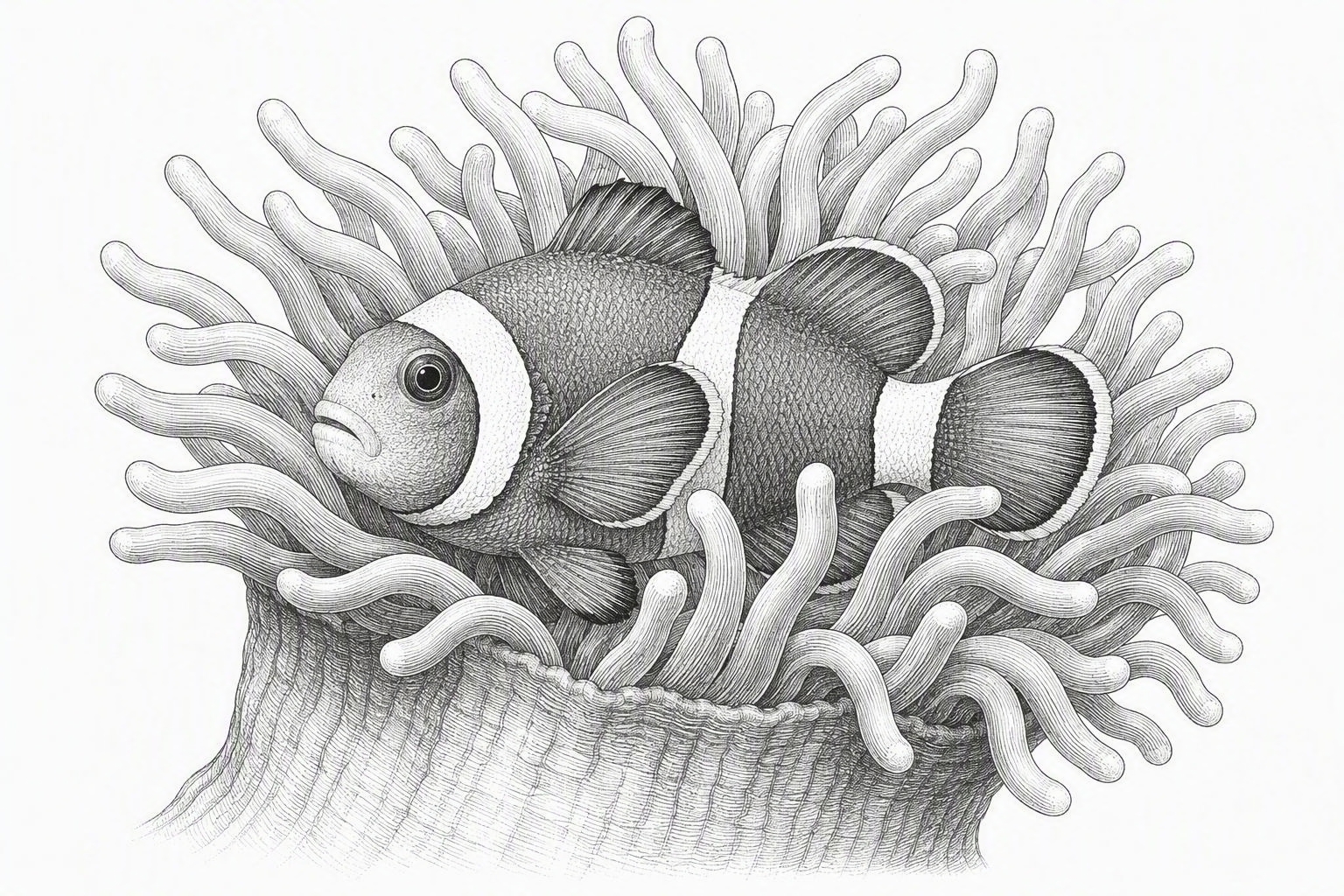
Generally safe: clownfish, gobies, dartfish, basslets, cardinalfish, and most tangs. Risky: wrasses (some eat inverts), triggers (eat inverts and small fish), puffers (eat coral and inverts), lionfish (eat smaller fish). Individual variation exists — research the specific species, not just the family. Add fish after corals are established so territorial disputes favor the coral.
Insights
From the blog
 Reef Tank Setup And Equipment
Beginner Saltwater Aquarium Kit: What to Buy and What’s Missing
Compare saltwater starter kits, spot missing essentials, and plan tank size, water testing, top-off and cycling before buying livestock.
· 5 min read
 Reef Tank Setup And Equipment
Saltwater Aquarium UV Sterilizer: Sizing, Flow and Limits
Decide whether your reef needs UV, match flow to the treatment goal, and plan safe installation and maintenance without expecting an ich cure.
· 5 min read
 Aquarium Cycling And Maintenance
Maintenance For Saltwater Aquariums: A Practical Schedule
Use a daily, weekly and monthly saltwater tank schedule, calculate water-change volume, and adjust testing and equipment care to your reef’s needs.
· 5 min read
Get the parameters right before you buy anything
Water chemistry is the whole game. Start with the numbers that matter and what range to hold them in.
Water parameters guide